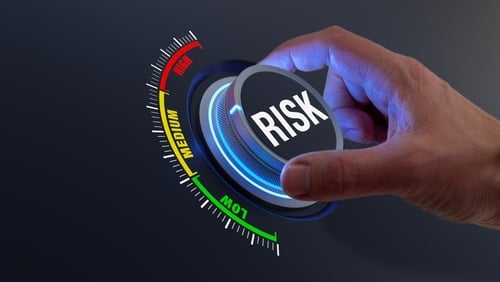
In today’s hyper-digital world, fraudsters are evolving just as quickly as the technologies that power modern marketing. What used to be a manual, small-scale problem has grown into an industrialized, AI-driven threat. For brand marketers, this creates a never-ending arms race: protect your campaigns and investments or risk being exploited by increasingly sophisticated scams.
.png?width=45&name=Clayton%20-%20Website%20(2%20x%202%20in).png)

Basics of Managing Fraud
Managing fraud in promotional marketing is crucial for maintaining the integrity of marketing campaigns and ensuring they deliver the intended value to both the business and its customers.
Here are several strategies to effectively manage and mitigate fraud in promotional marketing:
.png?width=45&name=Yossi%20-%20Website%20(2%20x%202%20in).png)

A Storm is Coming! Navigating the evolving Fraud in Purchase Validation
We consistently tell brand marketers they must stay vigilant against fraud. As AI evolves, so do the tactics employed by fraudsters, creating a never ending race between marketers seeking to protect their brand investments and scammers looking to exploit them. Understanding the various fraud mechanisms at play can help brand marketers safeguard their campaigns, maintain consumer trust, and ensure the integrity of their marketing efforts.
The Growing Threat of Fraud in Promotional Marketing: Today’s Challenges and What Brands Must Do
Promotional marketing has long been a powerful tool for brands to engage consumers, drive sales, and build loyalty. From cashback offers and online giveaways to influencer campaigns and coupon codes, promotions have evolved with technology—bringing with them new opportunities and unfortunately, new vulnerabilities. Today, fraud in promotional marketing is a rising concern that not only costs businesses millions, but also erodes consumer trust.
The Changing Landscape of Promo Fraud
In the past, promotional fraud was relatively limited—think of people photocopying coupons or redeeming rebates multiple times. But in the digital age, fraud has scaled dramatically. Tech-savvy fraudsters exploit automation, anonymity, and loopholes in online systems to commit promo fraud on a much larger scale.

Think differently: Elevating Brand Marketing Beyond Awareness and Cashback
I hear from brand marketers that they are constantly searching for innovative strategies to not only capture consumer attention but also convert it into long-lasting loyalty. While driving awareness and offering cashback have been traditional mainstays, the ever evolving consumer demands a more sharpened thought process.
Outlined below are key recommendations we provide brand marketers so they can make good decisions when considering which strategies to adopt to transcend traditional methods and create deeper, more meaningful connections with their audience.
Focus on the Outcomes
Successful brands look to gain every edge in their marketing efforts. To gain this edge, quality purchase data must be part of the equation. It is imperative to have retailer agnostic insights to assess marketing channel effectiveness, ROI, conversion rates, but also the consumer data itself. With this data brands can craft strategies that increase consumer engagement, build loyalty and drive growth. We often recommend that brands make their investment decisions with the outcome being the acquisition of quality consumer data. A cashback offer is just the engagement to drive the outcomes desired; not the outcome!

Engagement & Data Collection - Making them work together
When talking about making engagement and data collection work together, the goal is to create a system where the engagement of participants or users enhances the quality and quantity of data collected, and vice versa. Here are some strategies to achieve this:

The Benefits of Purchase Validation: Enhancing Trust and Efficiency in Business Transactions
In the ever-evolving landscape of commerce, whether online or offline, the integrity of transactions is paramount. Purchase validation, a process that ensures a transaction is authorized by the buyer and that the payment information matches the purchasing party's details, has become a crucial tool. This article explores the myriad benefits of purchase validation, detailing how it fosters trust, reduces fraud, and enhances customer satisfaction.
1. Enhancing Security and Preventing Fraud
Purchase validation is at the forefront of fraud prevention. By verifying the authenticity of each transaction, businesses can significantly reduce the incidence of unauthorized purchases and identity theft. This process often involves checking the credit card details against the purchaser's identity or utilizing two-factor authentication (2FA) to confirm the buyer's consent. As a result, businesses protect themselves and their customers from the financial losses and reputational damage associated with fraudulent activities.
.png?width=45&name=Shahar%20-%20Website%20(2%20x%202%20in).png)

Delivering High-Quality Consumer Experiences: A Guide for Brand Managers
In today’s highly competitive market, the quality of the consumer experience can make or break a brand. Brand managers play a crucial role in crafting these experiences, ensuring they not only meet but exceed customer expectations. Here are strategic insights on how brand managers can deliver high-quality consumer experiences:
1. Understand Your Audience Deeply
The foundation of any great consumer experience is a deep understanding of your audience. Utilize data analytics to gain insights into customer preferences, behaviors, and pain points. Conduct surveys, focus groups, and one-on-one interviews to gather qualitative data. This comprehensive approach allows you to tailor experiences that resonate personally with consumers.

The Benefits of CPG Marketing: Why Modern Strategies Matter
1. Enhanced Targeting
One of the biggest advantages of modern CPG marketing is enhanced targeting through the use of purchase data and analytics. By collecting and analyzing first-party data, CPG brands can gain a deeper understanding of consumer behaviors, preferences, and purchasing patterns. This data drives actionable insights, leading to stronger connections, informed decisions, and effective consumer-centric initiatives. It empowers brands to build loyalty, increase engagement and strengthen relationships.